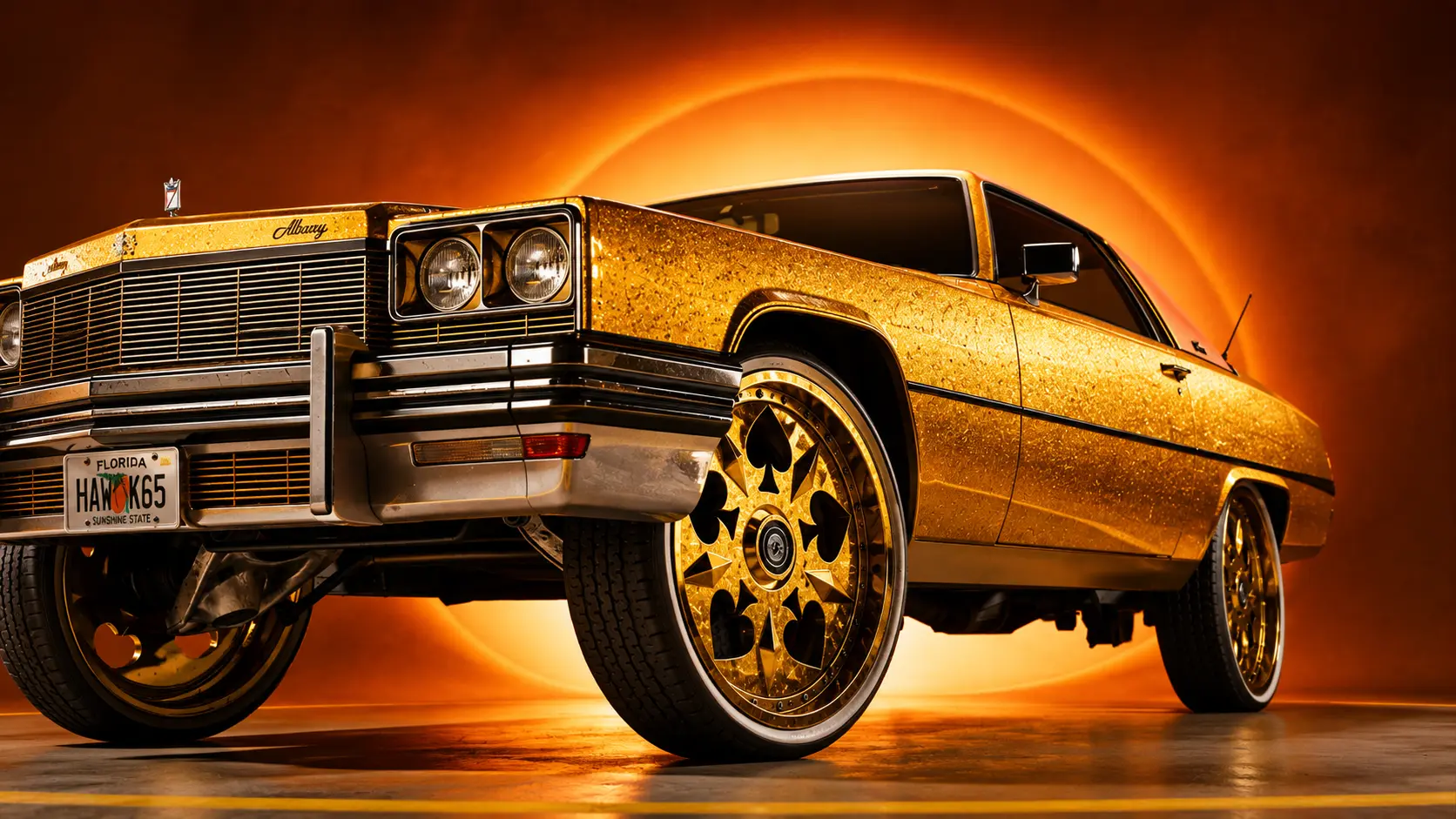
How the RAGE Engine Has Changed Since GTA 5
The same engine family that ran on PS3 in 2013 is now doing real-time ray tracing and strand-by-strand hair. Here's what happened to it in between.
RAGE, Rockstar’s own proprietary engine, short for Rockstar Advanced Game Engine, has quietly powered every mainline Rockstar release since GTA 4 in 2008, which makes it one of the longest-serving in-house engines still in active use anywhere in the industry. GTA 6 running on RAGE isn’t news in itself. What’s changed is genuinely striking once you line up what the engine was doing in 2013 against what it’s doing now.
GTA 5’s version of RAGE was, by necessity, built to scale down as much as up. It had to run on PS3 and Xbox 360 hardware from 2013 while also stretching to later PS4, Xbox One, and eventually PS5-era ports. That cross-generation flexibility was a real technical achievement, but it also meant the engine’s ceiling was constrained by having to work on genuinely ancient hardware at launch. Lighting was pre-baked rather than dynamically calculated in real time for most scenarios. Character models, while impressive for their era, didn’t attempt the kind of individual-strand hair or skin-level detail that’s standard in high-end game visuals today, and the open world, while large for its time, streamed in noticeably coarser detail than what’s expected now.
Red Dead Redemption 2, in 2018, represented the engine’s first major leap forward specifically built for a single console generation rather than stretched across several: denser vegetation, more granular weather, and NPC systems with genuinely more depth than GTA 5 attempted. It’s the version of RAGE most directly relevant to GTA 6, since Rockstar’s full production push on the new game began right around when RDR2 shipped, meaning GTA 6 is built on the technical foundation RDR2 established rather than reaching back to GTA 5’s version.
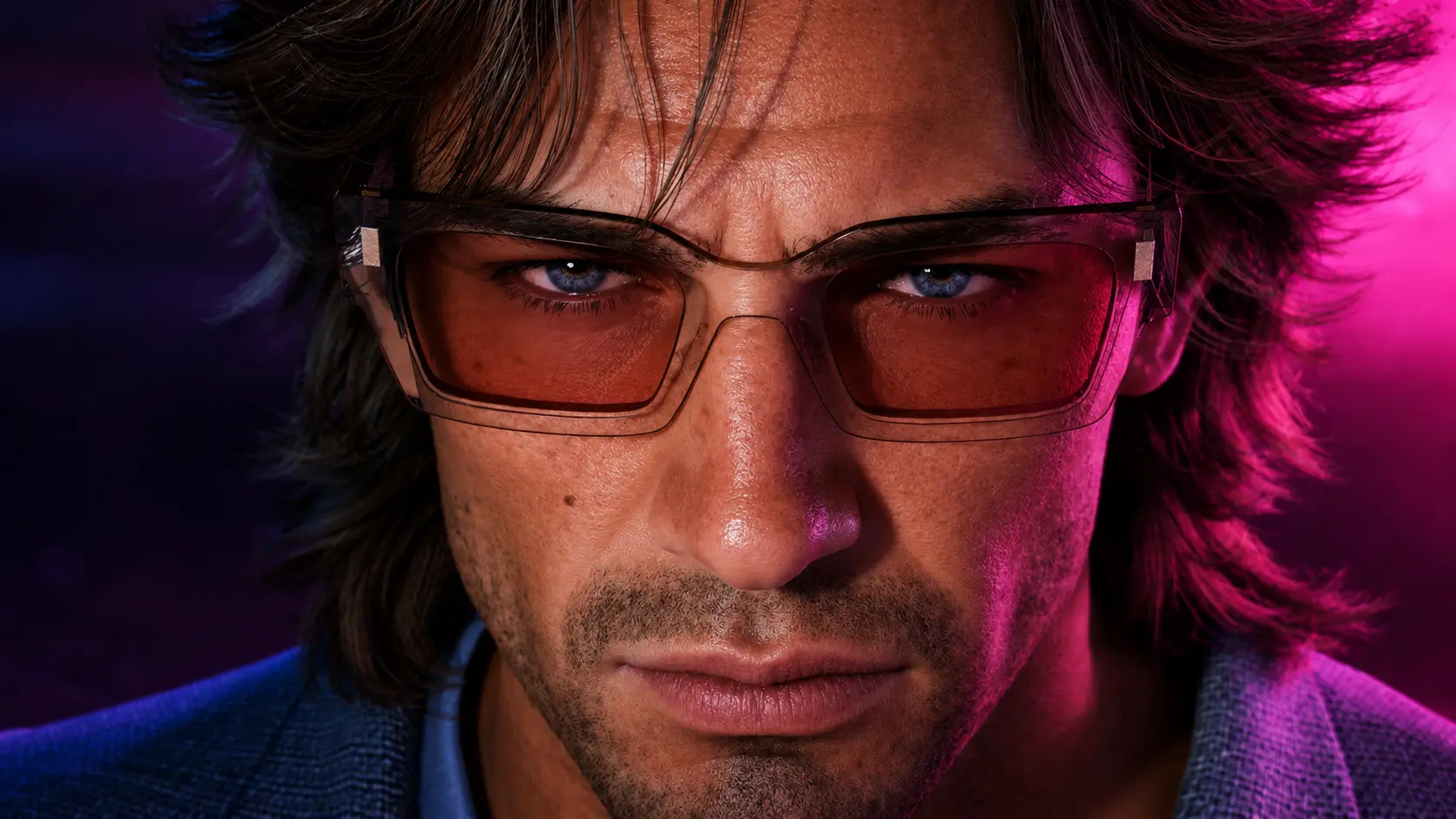
What GTA 6 has added on top of that RDR2 foundation is where the real gap opens up. Real-time ray tracing, used for both global illumination and reflections, is a fundamentally different lighting approach than anything in GTA 5’s engine, which relied on pre-computed lighting tricks rather than genuinely simulating how light bounces around a scene as it happens. Hair modeled strand by strand, rather than as clumped texture sheets, is a technique that simply wasn’t computationally realistic for open-world games in 2013. Sub-surface scattering on skin, letting light partially pass through rather than just bounce off, is another addition that pushes character rendering into territory GTA 5 never approached.
The throughline across all three versions is that RAGE has never been a static piece of technology Rockstar builds once and reuses unchanged. It’s been substantially rebuilt for nearly every major release, with GTA 6’s version representing the largest single jump yet, built specifically for current-generation hardware rather than stretched across old and new consoles at once. That’s also part of why GTA 6 skips PS4 and Xbox One entirely, a decision we’ve covered separately: this version of RAGE was never designed to scale back down to the hardware GTA 5’s version had to support from day one.
Share this article

About GTA Ready Editorial
GTA Ready is an independent fan site covering Grand Theft Auto VI. We separate what Rockstar has confirmed from rumor and speculation, cite our sources, and correct mistakes openly when new information arrives.