GTA 6's Graphics Engine, Explained Without the Jargon
Ray tracing, global illumination, strand-by-strand hair. Here's what the technical terms mean for what you'll see on screen.

GTA 6 runs on a heavily rebuilt version of RAGE, Rockstar’s own proprietary engine, the same technology lineage that powered Red Dead Redemption 2, though substantially reworked to handle a map and simulation scale RDR2 never attempted. That continuity matters more than it might sound: Rockstar isn’t starting from zero on unfamiliar tools, it’s pushing an engine it already deeply understands even further.
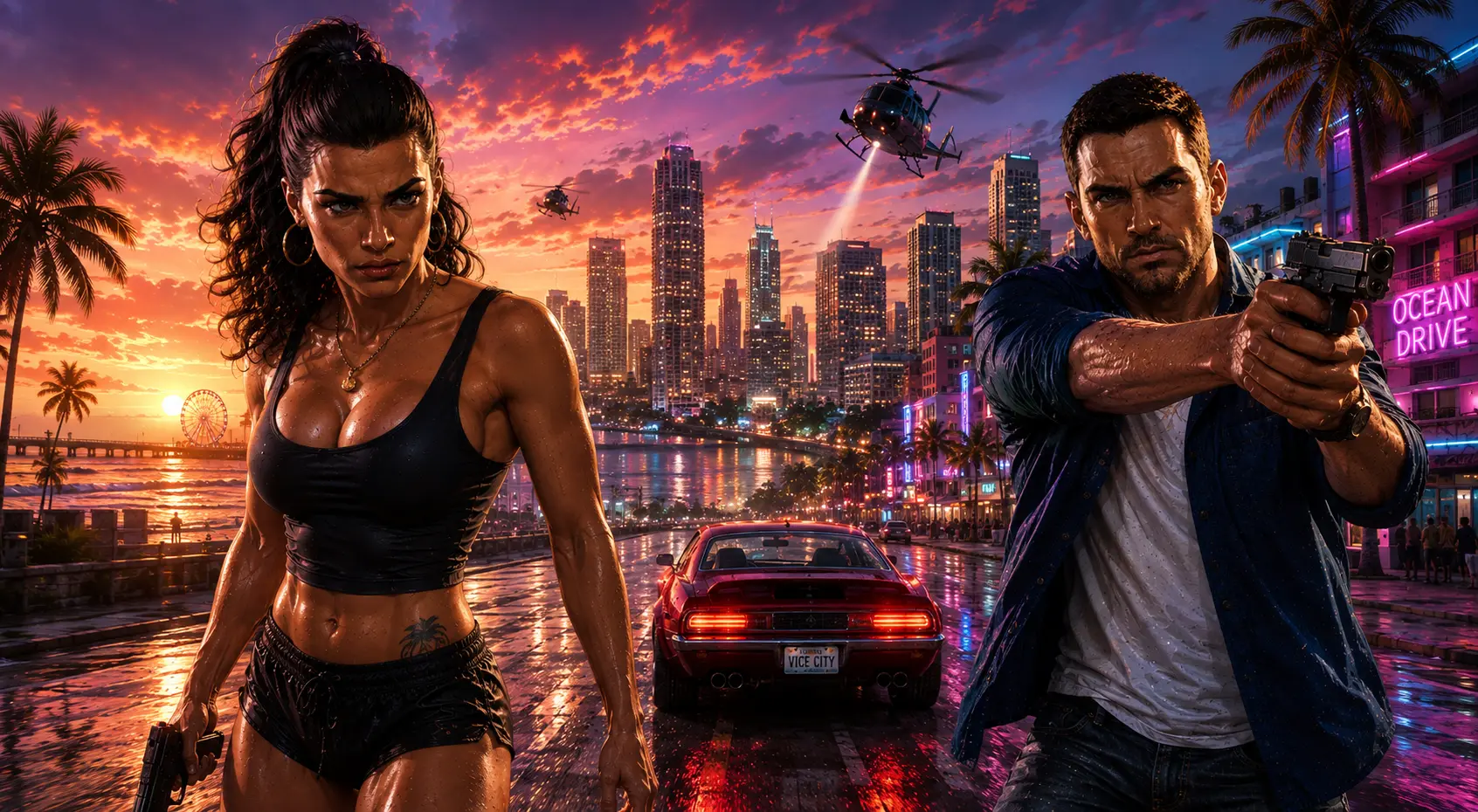
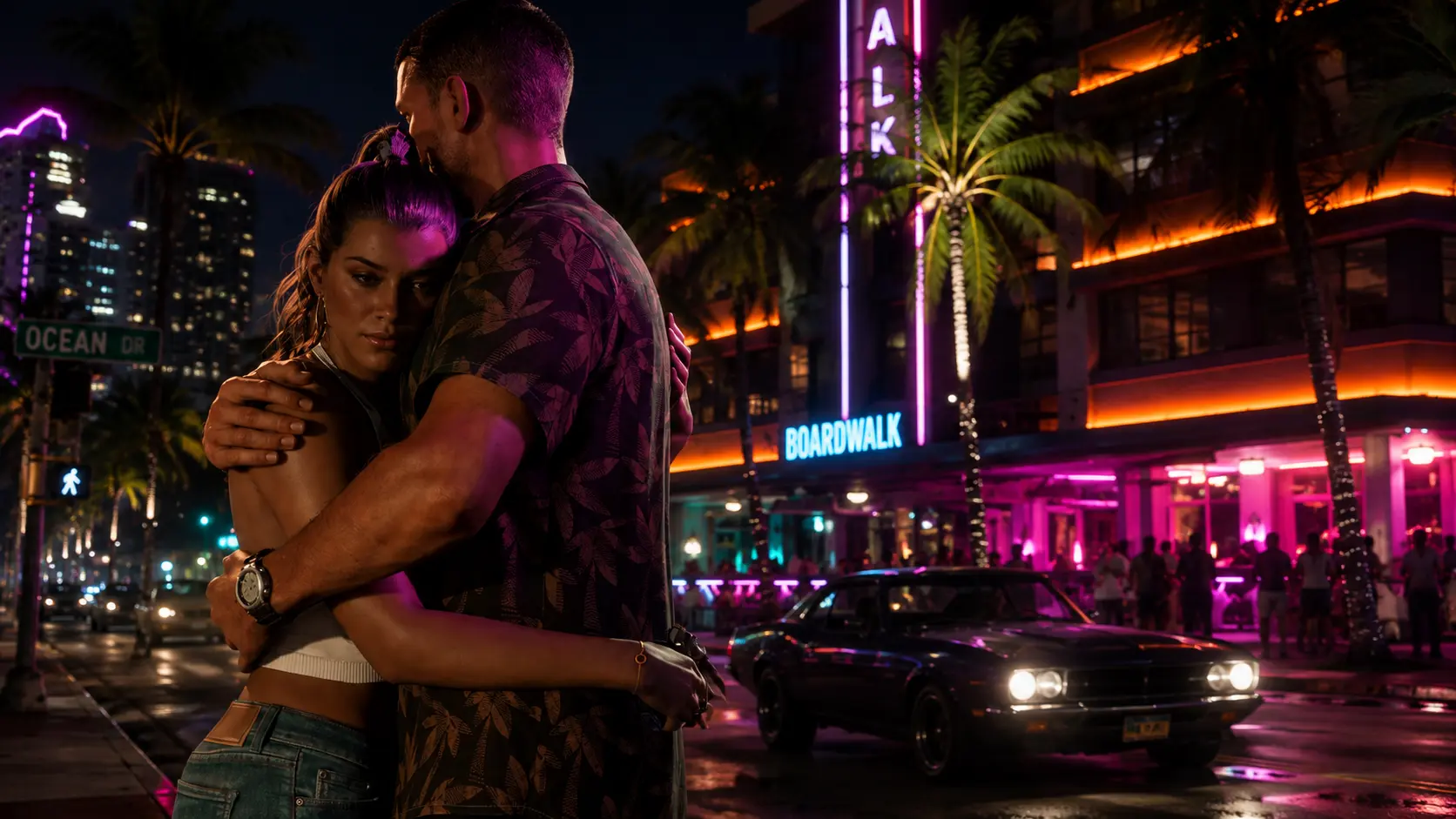
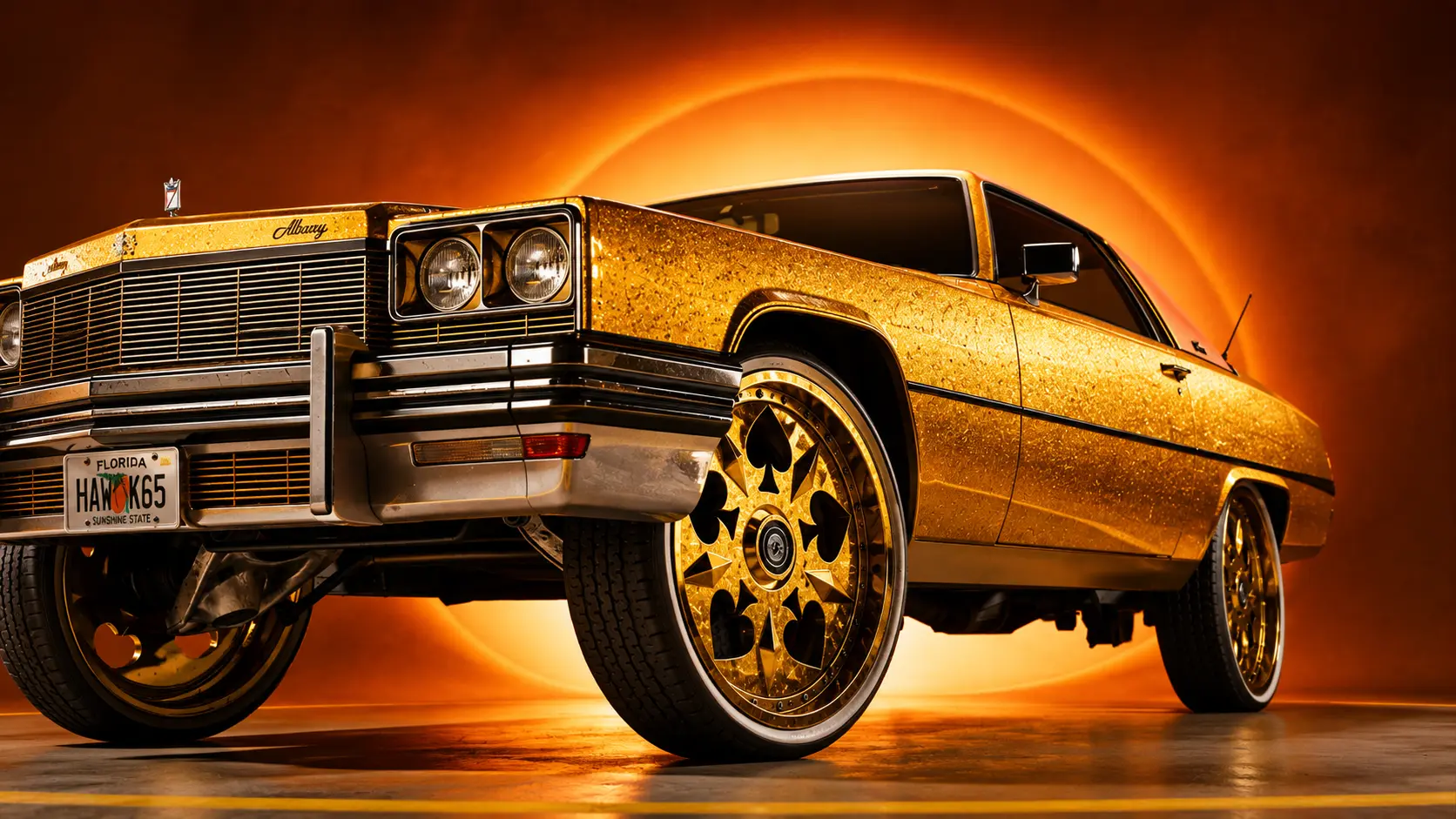
The technical term that shows up in nearly every breakdown of GTA 6’s visuals is ray tracing, and it’s worth explaining what that buys you rather than just repeating the buzzword. Traditional game lighting fakes how light bounces around a scene using pre-calculated tricks. Ray tracing simulates individual rays of light bouncing off surfaces in real time instead, which is why reflections in windows, the way light diffuses through a room, and the soft, indirect glow on skin and walls all look meaningfully more convincing than in earlier Rockstar games. Reporting on GTA 6 specifically points to ray tracing being used for diffuse global illumination, essentially how ambient bounced light fills a space, and for reflections on both glass and other reflective surfaces, rather than being a marketing checkbox layered on top of an otherwise ordinary lighting setup.
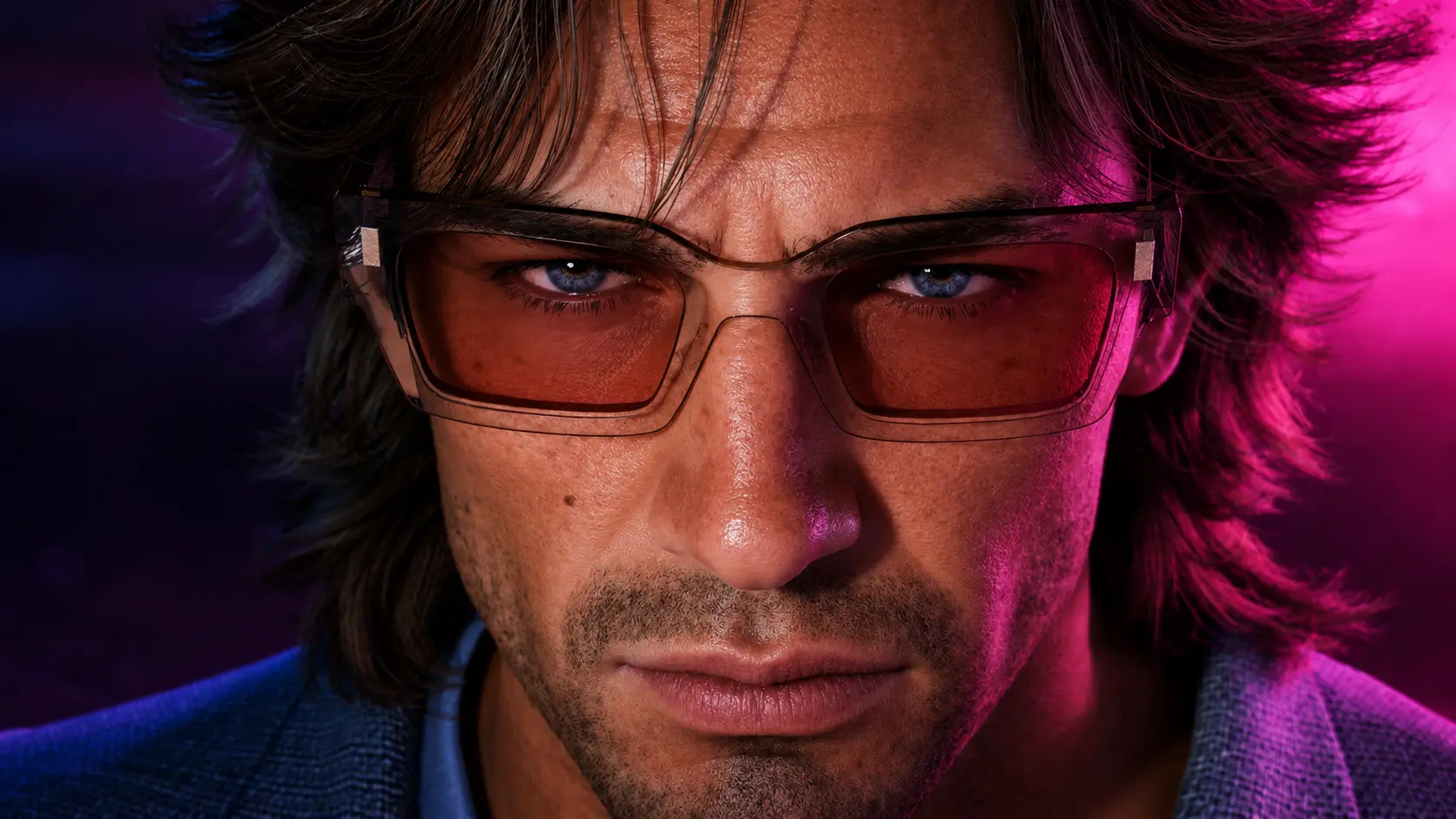
Some of the more granular details reinforce that this isn’t surface-level polish. Hair is reportedly modeled strand by strand rather than as clumped texture sheets, a technique that’s historically been reserved for pre-rendered film work rather than real-time open-world games. Character detail has been pushed down to the level of scars and sweat, and skin itself uses sub-surface scattering, a technique that simulates how light partially passes through skin rather than just bouncing off it, which is a large part of why realistic faces stop looking like painted plastic. Outlets that specialize in graphics analysis have gone as far as saying the ray-traced lighting looks inseparable from the art direction itself, meaning it’s not an optional layer, it’s load-bearing for how the whole game is designed to look.
It’s worth connecting this back to the performance conversation, because the two are related even though they’re often discussed separately. All of this technical ambition is very likely part of why Rockstar has confirmed a 30fps target at launch with no performance mode currently promised, even on more powerful hardware like the PS5 Pro. Rendering this much real-time lighting and this much per-character detail costs processing power that has to come from somewhere, and frame rate is often the first thing traded away for visual fidelity in that equation. We’ve covered that performance question in more depth separately, but the short version is that GTA 6’s visual ambition and its frame-rate ceiling are two sides of the same technical decision, not unrelated facts.
None of this is confirmed to the level of, say, exact resolution numbers or a full technical breakdown from Rockstar itself. Most of the detail comes from trailer analysis by outlets that specialize in exactly this kind of frame-by-frame graphics reporting. But the consistent picture across that reporting is a game built to look as close to photoreal as current console hardware allows, with frame rate as the acknowledged cost of getting there.
Share this article

About GTA Ready Editorial
GTA Ready is an independent fan site covering Grand Theft Auto VI. We separate what Rockstar has confirmed from rumor and speculation, cite our sources, and correct mistakes openly when new information arrives.