
What Vehicle Damage Looks Like in the Trailers
A single dented door panel from Trailer 1 has fueled genuine hope that GTA 6 is returning to GTA 4-style reactive damage rather than GTA 5's scripted patterns.
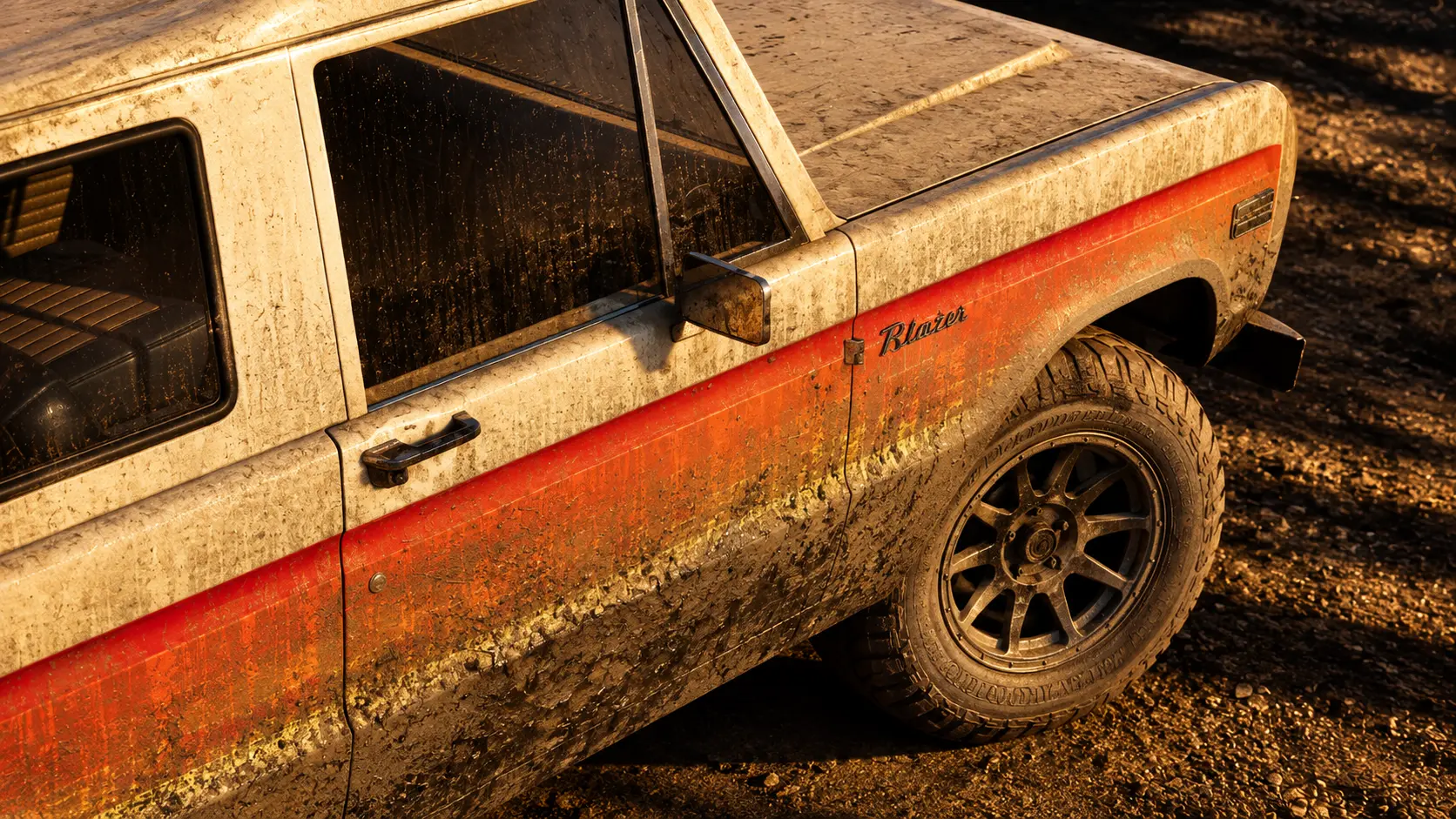
Vehicle damage is one of those details that longtime GTA fans track with unusual intensity, mostly because of how the series has handled it inconsistently across entries. GTA 4’s Euphoria-powered damage system produced genuinely reactive, unpredictable deformation, while GTA 5 dialed that back to more limited, pre-scripted damage states that looked polished but reacted the same way regardless of the specifics of an impact. GTA 6’s trailers have given fans one specific, closely analyzed piece of evidence suggesting that pendulum might be swinging back.
The evidence in question is a single frame from the first official trailer, showing what’s been identified as a Declasse Tulip with a substantial, irregularly shaped dent in one of its rear door panels, the kind of asymmetric, impact-specific deformation that a purely scripted damage system wouldn’t naturally produce. It’s not a dramatic wreck or a dramatic crash sequence. It’s a comparatively subtle detail that fans specifically zeroed in on because of what it implies about the underlying physics rather than because it looked impressive on its own. That distinction matters: a flashy scripted crash can look damaged without proving anything about how the damage system works underneath, while an odd, specific dent like this one is harder to explain without genuine deformation physics behind it.
It’s worth being careful about how much weight to put on one image, though. The shot in question reportedly came from what appeared to be an in-game social media clip within the trailer, rather than a direct, uninterrupted gameplay sequence, meaning it’s a legitimate piece of evidence, but not the same as an extended demonstration of the damage system working consistently across different vehicles, speeds, and impact types. One convincing frame is a genuinely good sign; it isn’t a confirmed systemic overhaul on its own.
The community reaction to this single detail has also revealed how much appetite there is for Rockstar to go further than just restoring GTA 4-level deformation. Fans have openly compared GTA 5’s damage system unfavorably to more recent racing and open-world games with dedicated destruction physics, and some hope GTA 6 pushes past even GTA 4’s benchmark rather than simply matching it. Whether that happens is genuinely unknown. Rockstar hasn’t shown enough footage of vehicle combat and crashes at length for anyone outside the studio to responsibly claim more than “this one detail looks promising.”
The fair takeaway: the strongest concrete evidence available points toward improved, more reactive vehicle deformation compared to GTA 5, based on a specific and hard-to-fake detail rather than pure hope. Whether that holds up as a comprehensive, system-wide feature rather than an isolated highlight is exactly the kind of thing that only extended, real gameplay will confirm.
Share this article

About GTA Ready Editorial
GTA Ready is an independent fan site covering Grand Theft Auto VI. We separate what Rockstar has confirmed from rumor and speculation, cite our sources, and correct mistakes openly when new information arrives.