How Rockstar Builds a City That Feels Alive
It's not one trick. It's dozens of small, overlapping systems that make Leonida feel occupied rather than decorated, stacked on top of each other.
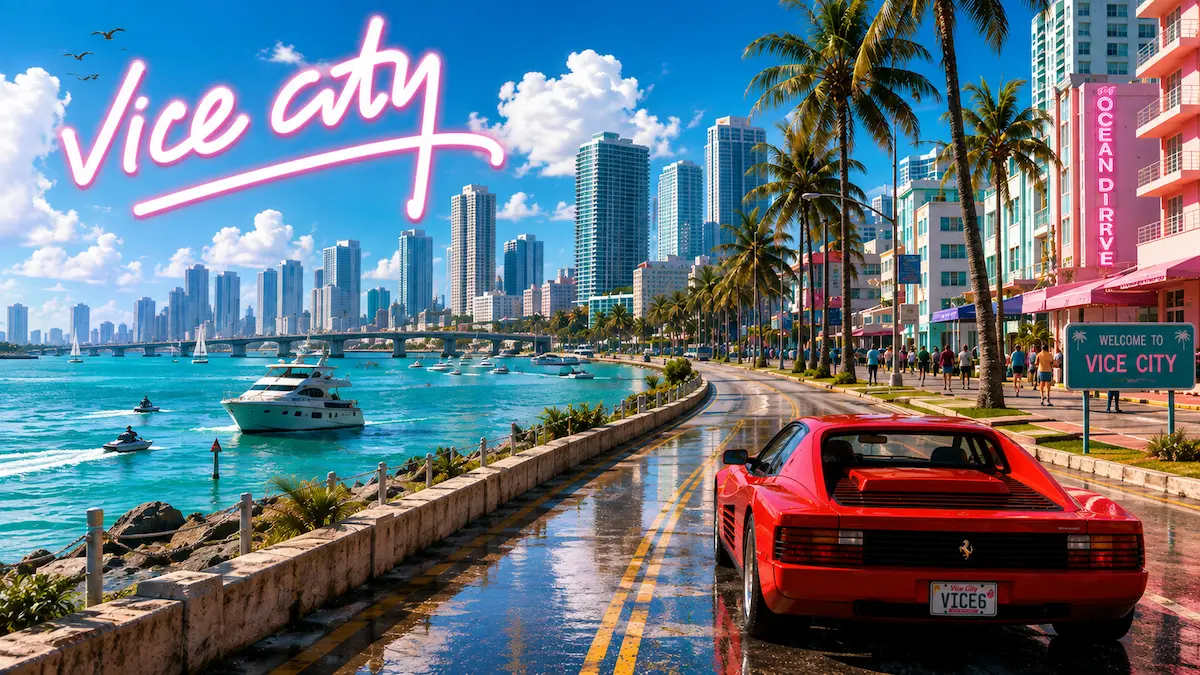
“The city feels alive” is one of those phrases that shows up in nearly every review of a Rockstar game, and it’s tempting to treat it as a vague compliment rather than something with an actual design explanation behind it. It isn’t one single trick. It’s the accumulation of a lot of smaller, individually modest systems that, layered together, stop a city from feeling like a backdrop and start making it feel occupied.
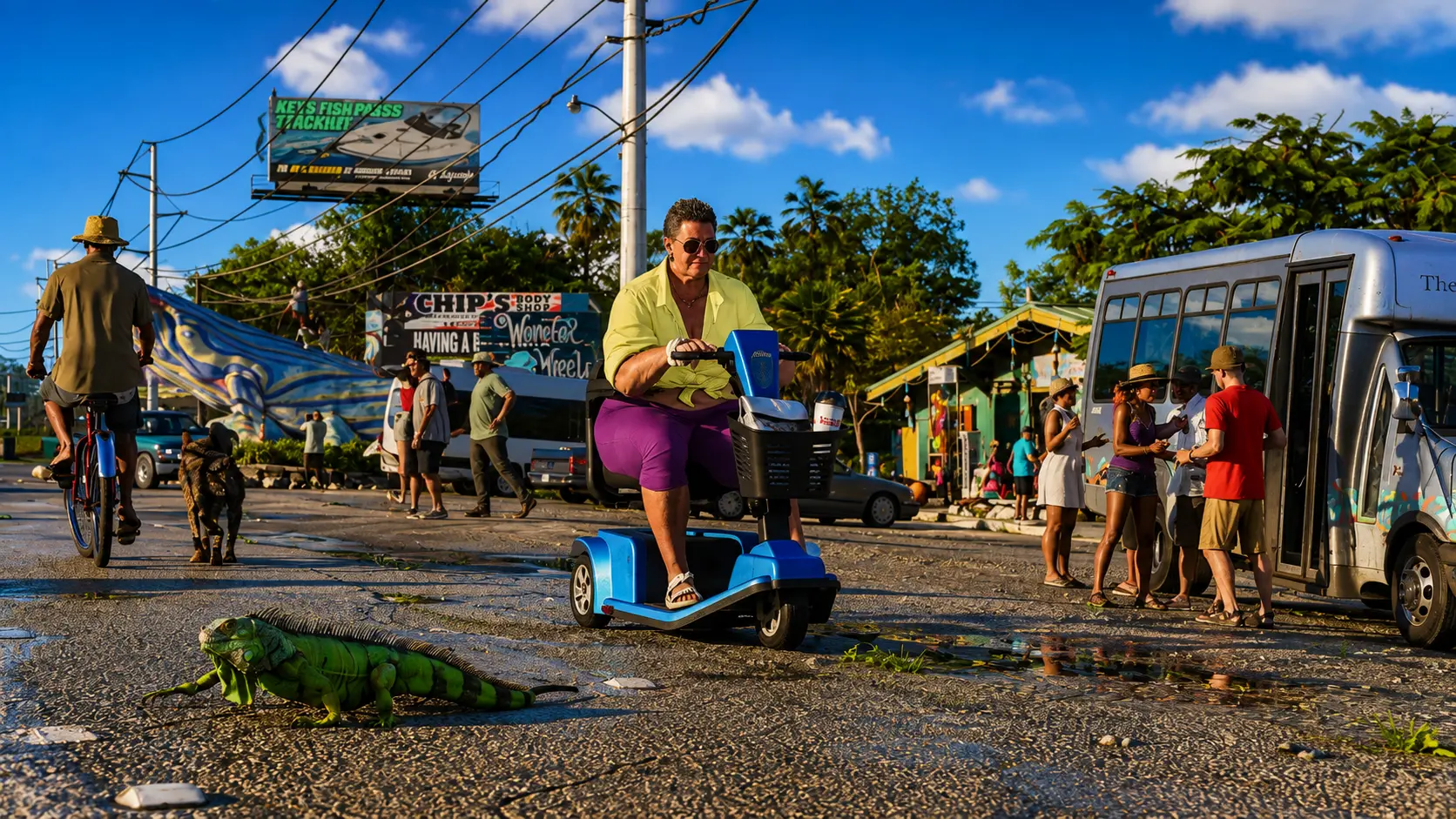
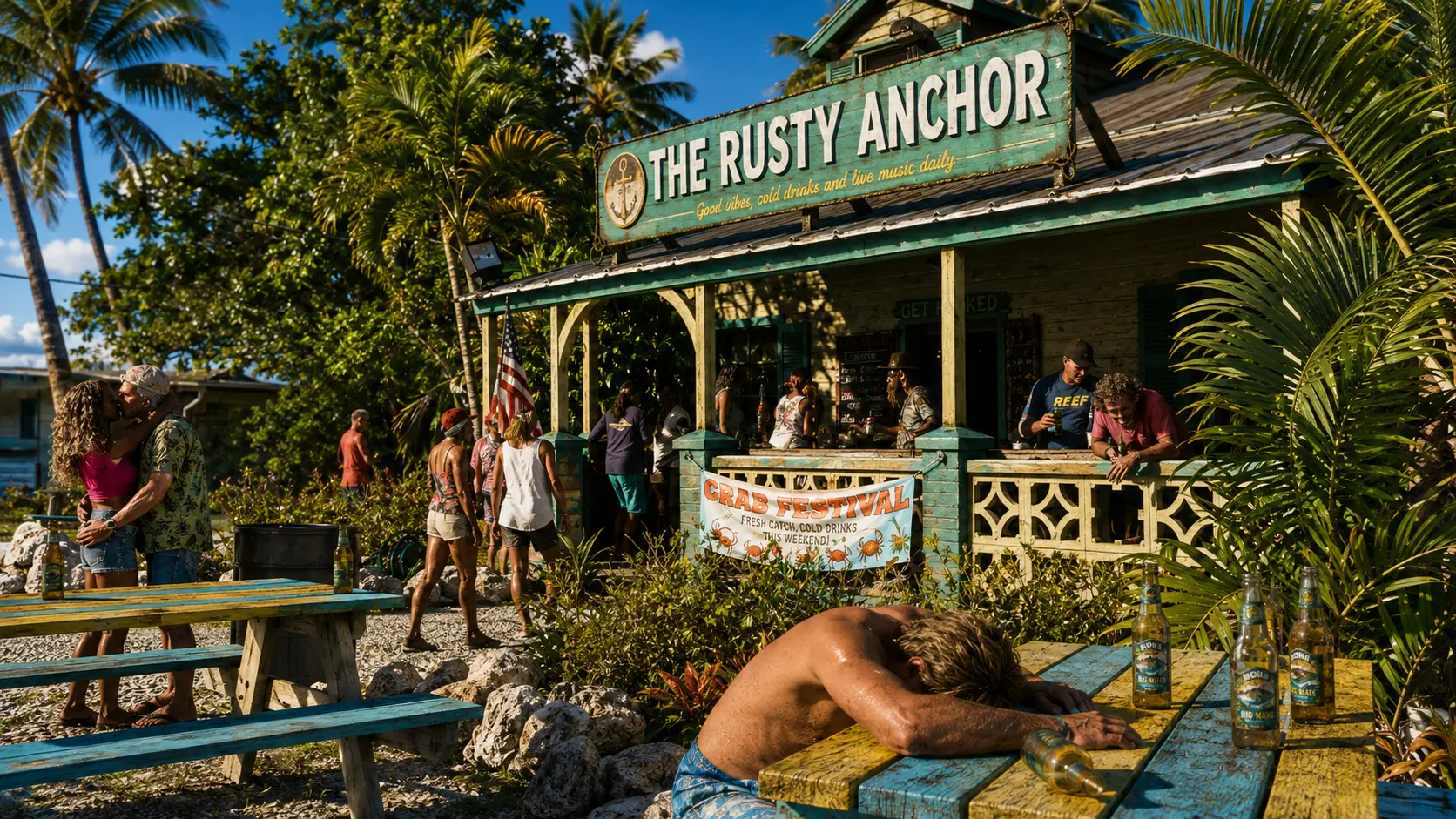
Population density and behavior variety are the most basic layer. A city feels alive partly just from having enough pedestrians doing different things at once, walking with purpose rather than wandering in loops, sitting at outdoor tables, using phones, reacting to nearby events, rather than a thin scattering of NPCs cycling through the same three animations. What we’ve covered separately about GTA 6’s more reactive NPCs, who reportedly respond differently depending on what they witness and remember, is part of this same layer: reactivity is what turns a crowd from wallpaper into something that behaves like it has its own reasons for being there.
Systems that operate independently of the player add a second layer that’s easy to miss because it’s meant to be invisible when it’s working. Traffic routes around obstacles rather than despawning. Weather shifts on its own schedule rather than only when a mission calls for it. And wildlife moves through its own habitats regardless of whether a player is nearby to see it: an alligator wandering into a convenience store, sharks patrolling open water, birds cycling through the sky. All of that exists to create the impression of a world running its own business, not one that switches on only for the player’s benefit.
Specificity is the third, subtler layer, and it’s where a lot of the real craft lives. Named regions with distinct economies, a sugar refinery town, a struggling industrial port, tropical islands built around tourism and smuggling, do more work than generic “city” and “countryside” labels ever could, because each area implies its own set of NPCs, activities, and visual texture rather than reusing the same building blocks everywhere. The real-world specificity we’ve covered in Leonida’s geography, down to individual recreated streets and landmarks, feeds into this too: a place that resembles somewhere real, rather than a generic composite, tends to read as more genuinely inhabited even before anything in it moves.
None of this is unique to Rockstar as a technique. Plenty of studios chase the same effect. What’s distinctive is the sheer number of these smaller systems Rockstar tends to layer simultaneously, and the amount of iteration time a company with Rockstar’s resources and patience can pour into getting the smaller details right before shipping. GTA 6’s two delays, whatever frustration they caused in the short term, are part of that same equation. More time spent is, in a very literal sense, more opportunities to make each of these individually small systems feel a little more convincing before launch.
Share this article

About GTA Ready Editorial
GTA Ready is an independent fan site covering Grand Theft Auto VI. We separate what Rockstar has confirmed from rumor and speculation, cite our sources, and correct mistakes openly when new information arrives.